Eco-Development Sustainability
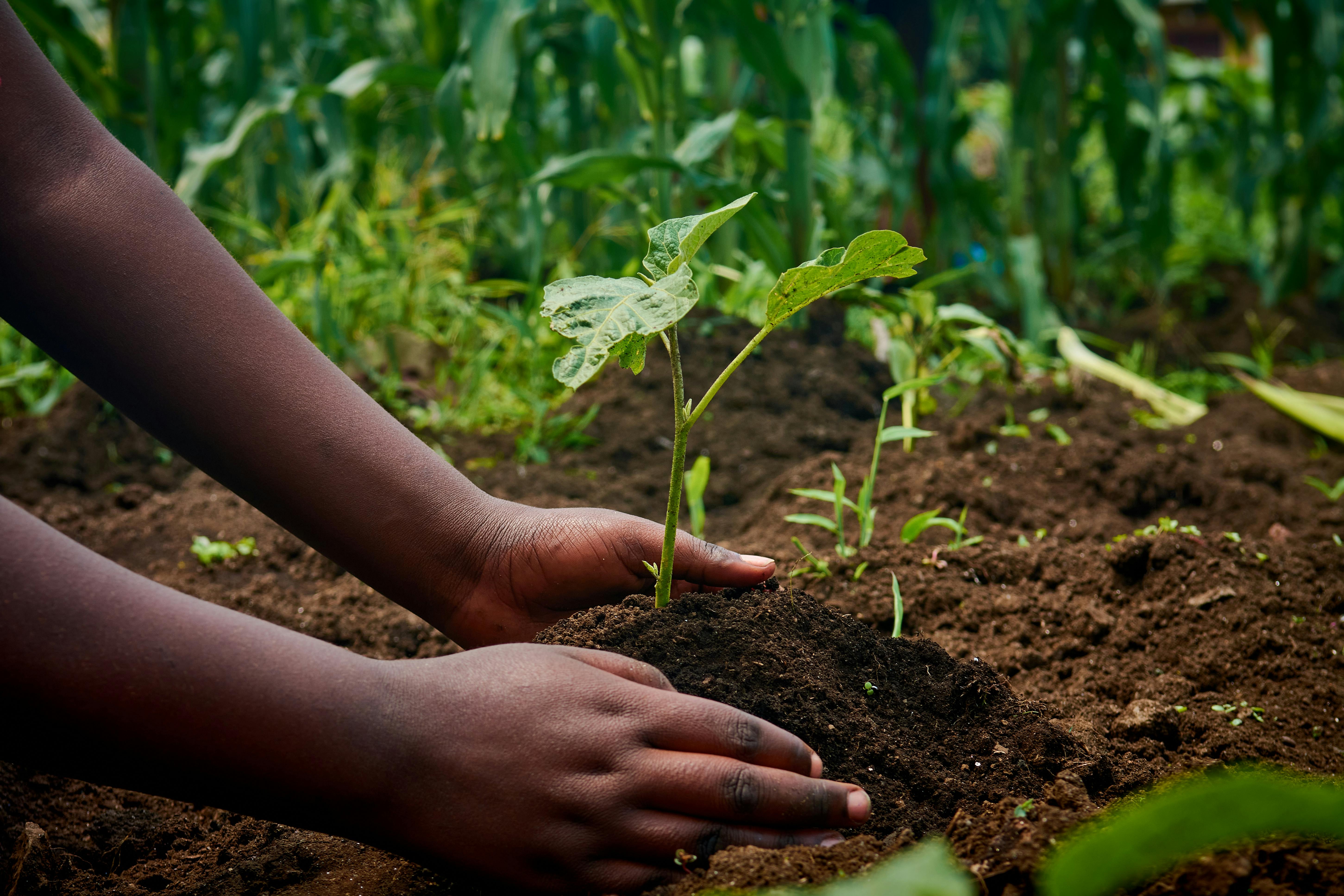
The Eco-Sustainable Development pillar focuses on designing and implementing community-driven climate adaptation and sustainable livelihood programs across Africa’s climate-vulnerable regions. Our approach moves beyond short-term project cycles toward long-term sustainability. Every program we co-design incorporates clear transition and exit strategies that enable communities to sustain and evolve the solutions independently. Working closely with communities, particularly in arid and semi-arid (ASAL) regions and coastal ecosystems, we support initiatives that strengthen food security, regenerative agriculture, climate-resilient livelihoods, and environmental stewardship. Programs are intentionally structured to be scalable and replicable, allowing successful models to expand beyond their original communities. Through this pillar, SOEA works to build practical climate solutions that communities can own, adapt, and sustain, ensuring that development interventions create lasting impact long after external support has ended
See focus areas →
Eco-Tech Innovation
The Eco-Tech Innovation Hubs pillar focuses on bringing accessible digital innovation and climate technologies directly into communities. Technology is rapidly transforming global development, yet many climate-vulnerable communities remain excluded from its benefits. SOEA addresses this gap by co-designing community-based innovation hubs that provide access to digital tools, climate data platforms, and early warning systems. These hubs are designed as collaborative spaces where communities, youth innovators, and local leaders can interact with technology that supports climate adaptation and economic development. Through mobile applications, data tools, and early warning systems, communities gain the ability to anticipate climate shocks, improve decision-making, and strengthen resilience. The hubs will be piloted in selected counties before being refined and replicated across additional regions. Over time, they will evolve into locally managed centres of innovation where communities can continue expanding digital solutions that support climate resilience, enterprise development, and knowledge sharing.
Eco-Storytelling and Advocacy for Impact
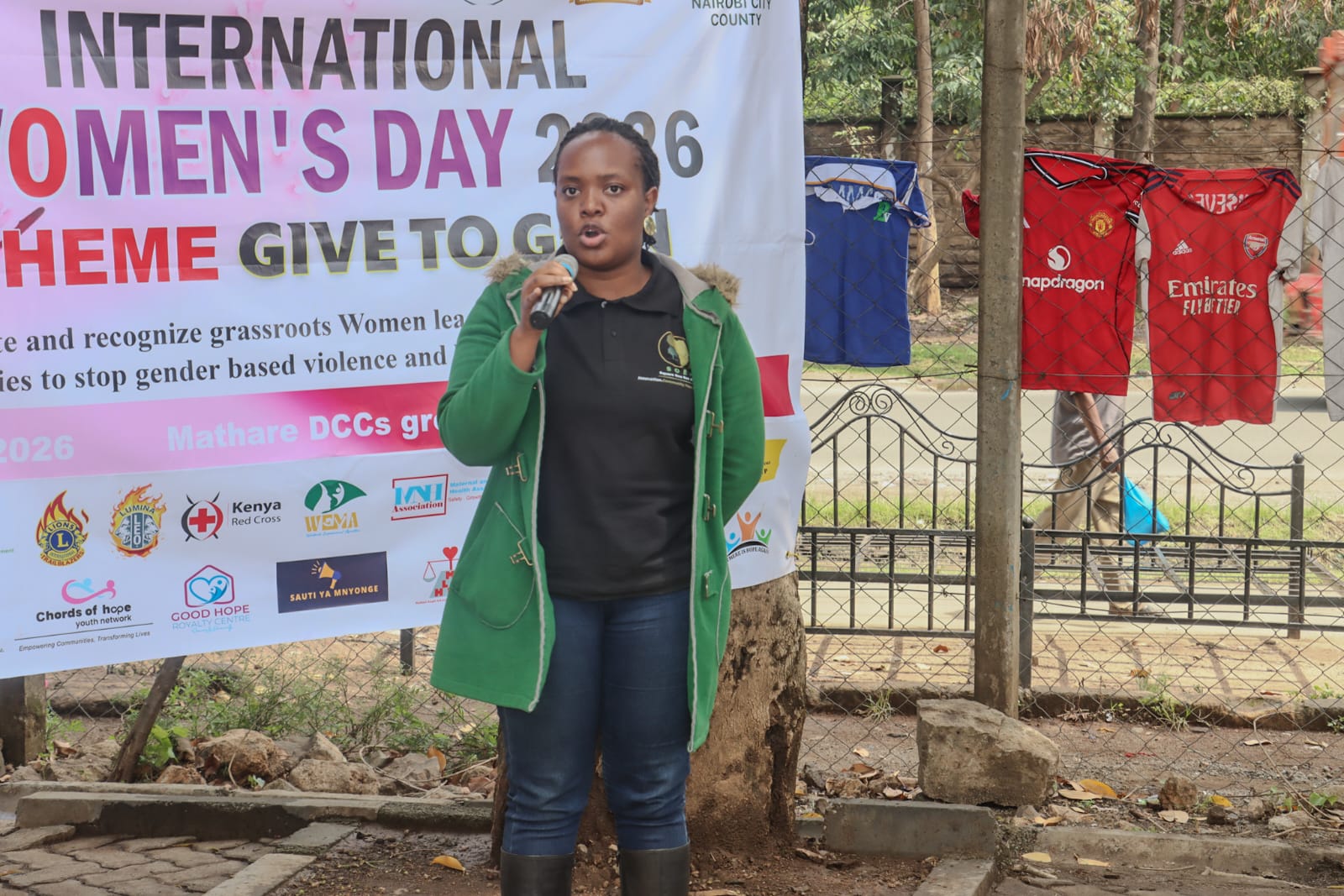
At SOEA, storytelling is our infrastructure for transformation. The Eco-Storytelling and Advocacy pillar focuses on documenting and amplifying the climate innovations already emerging within African communities. Too often, Africa is portrayed primarily through narratives of vulnerability. We believe a different story must be told, one that highlights Africa as a source of climate leadership, innovation, and practical solutions. Through community-led storytelling, documentary narratives, digital media, and knowledge products, SOEA captures real experiences from communities working at the frontlines of climate change. These stories are translated into advocacy tools that inform policy discussions, inspire replication, and attract partnerships and investment. By amplifying local voices and showcasing successful models, storytelling becomes a powerful engine for scaling solutions across regions and ensuring that community-driven innovations influence broader climate action.
Read our field stories →